
Locavore CIC in Edinburgh: Urban Place and Community Meaning
Locavore CIC stays in the middle part of Edinburgh, and this place helps many people join local food activities in simple ways. Residents, students, and small producers can reach it without long travel, so the hub becomes an effortless part of daily routines. Because of this location, more people learn about seasonal food, short supply routes and how community food networks grow in the city.
Locavore CIC and the Urban Area Around It
Locavore CIC is a community food hub that is put inside a central Edinburgh neighborhood where many homes and small shops stay very close. For this reason, different kinds of people come often. Families walk with children, students come from nearby schools, older people move slowly on familiar streets, and workers stop by on their way home. The area around has friendly streets for walking and cycling, and public transport passes often. Because of all this, arriving at the hub usually feels effortless for many groups.
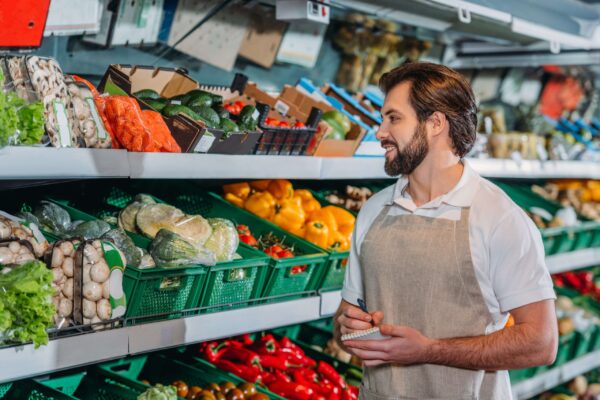
The hub also has strong visibility because it stands on a street where many people walk every day. People who weren’t planning to visit the hub still look inside when something is happening in front of it, like a small workshop, a table of fresh vegetables, or a short community demonstration. Some decide to step in, even if they only wanted to pass by. This kind of daily visibility helps the idea of local and seasonal food grow slowly in the community mind.
The urban place also influences how residents understand food activities. When they see produce arriving from small farms, they see how short routes work. When they join a simple cooking class, they learn how food systems connect the city and countryside. All this becomes possible because the hub is located in a busy and well–connected area.
Why the Urban Location Matters for the Community
Easy Access for Many Groups
The simple arrival is one of the most important things for community participation. People do not need a car or long planning; many come by foot or bicycle. Parents with small kids find it less stressful to travel when the distance is short. Students walk together after classes. Older people feel better when the path is familiar and safe. Because the area has everything close, the hub becomes a natural stop during daily movement.
Cooperation With Schools and Community Centers
Nearby schools often work with Locavore CIC. Teachers bring students so they can learn about food systems in a real environment. Many students try cooking with seasonal vegetables for the first time here. Community groups also come for shared kitchens or educational meetings. They use the hub as a comfortable place where local learning feels simple. Because the hub is central, cooperation becomes easy to plan, even with small groups.
How Locavore CIC Encourages Community Participation
The hub location helps people join activities without making special trips. When a person already plans to visit a shop or pick up children from school, they can stop by the hub on the same path. This type of quick visit slowly creates stronger routines. People return again because it doesn’t feel difficult or far.
Benefits of This Type of Accessibility
- People can visit without long planning because the hub stays on normal daily routes.
- Safe streets with bicycles and walking paths make the area comfortable for most visitors.
- Many residents come inside simply because they see something happening.
- Local shops, cafés, and services stay close, so people combine several tasks in one trip.
- Community groups meet here easily because transportation options stay simple.
Residents and the hub team trust each other more because they keep coming back. Community projects grow more stable when the same people join again and again. The central location creates a long–term rhythm that supports deeper communication.
Support for Local Producers Through Short–Distance Routes
Locavore CIC works with small farms, bakers, and artisan producers. For them, the central location is helpful. Because travel time stays short, they deliver goods more often and in smaller amounts. Fresh vegetables, dairy products, breads and eggs are delivered. The result means that the ingredients used in workshops and cooking classes are of higher quality.
Producers also meet visitors during events, and their presence makes direct communication easier. They talk about how their food is grown, and visitors give them feedback. These conversations help producers figure out what people in the city want and build trust.
Key Advantages for Producers
- Short travel reduces fuel cost and makes deliveries more flexible.
- Producers bring smaller batches and adjust to seasonal changes quickly.
- Direct contact with customers during events improves understanding.
- Easy talks with staff help plan workshops faster.
- Producers meet each other, making a small supportive network.
Transport, Movement and Practical Accessibility
Because the hub stays in a connected area, many visitors use public transport, bicycles, or simply walk. This reduces the need for cars, lowers traffic stress, and supports more sustainable habits. Many people feel more relaxed visiting a place where they don’t need to search for parking or drive through busy streets.
Elements That Improve Access:
- The hub area has clear paths for walking to the main entrance.
- Cycling stands stay close, so visitors can lock bikes safely.
- Bus and tram stops nearby make visits simple for people from other districts.
- Clear signs help new visitors find the place without confusion.
- Indoor spaces stay arranged for people with different mobility needs.
Because of these conditions, workshops and community events attract people from many parts of Edinburgh. Volunteers arrive regularly, because travel does not take much time. Producers choose calm hours for deliveries so they do not disturb events or crowd the streets.
Challenges That Come From the Urban Position
Even when the central location gives many advantages, some challenges still appear. The most visible one is limited space. The rooms inside the hub are small, so large groups sometimes cannot join the same workshop. Storage rooms are small, so the hub must receive products more often and plan space carefully.
Rent and electricity cost more in central areas. Because of this, the hub must plan resources with precision. The team tries to keep participation free or affordable, but the balance between cost and community access always requires careful thinking.
Urban traffic sometimes creates difficulties for deliveries. Vans or bicycles delivering produce must follow strict schedules. It’s harder to get around pedestrians when it’s busy. Also, the seasonal supply from small farms may change suddenly. When one producer has fewer vegetables, the hub must adjust workshops and adapt menus fast. Coordination between volunteers, community groups, and producers becomes more complex.
Future Opportunities Made Possible by Central Location
Even with challenges, the location opens many possibilities for future projects. Some spaces near the hub might become educational gardens. Small streets around can host pop–up markets. Collaborations with nearby cafés may turn into joint tasting events. Schools might expand their participation in sustainability programs.
Possible Ideas for Future Work
- Seasonal markets placed on nearby streets to increase visibility.
- Shared kitchens used for basic cooking lessons.
- Food–focused festivals with local producers and residents.
- Educational gardens teaching simple growing methods.
- Larger cooperation with community groups for climate–focused projects.
These ideas show that the hub can grow into a stronger cultural center for local food learning.