

The Refillery in Edinburgh: A Model for Zero–Waste Shopping
The Refillery is a small shop in Edinburgh that tries to change how people buy daily goods. In this store, customers take their own containers and buy only what they need–grains, soaps, cleaning supplies, and produce. The shop aims to cut waste, support local producers, and build a more fair, green, and conscious food–and–home system. Many citizens, travelers, and families can benefit if they join this simple refill idea.
What is The Refillery store?
The Refillery is not a usual supermarket. It is a refill store. People come with jars or cloth bags. They weigh the container first, then fill it with product, then pay only for the amount of product. This way there is no plastic packaging waste. The store usually sells dry goods, eco–cleaning items, soaps, and some local food–grains, pulses, and teas. The idea is simple but strong: buy what you need, leave packaging behind, reduce waste, and save resources. This small shop shows how daily shopping can be more sustainable and conscious, even in a city that is busy and full of shops.
Why location matters
The location of The Refillery plays a big role. It sits in a neighborhood where many people pass every day. It is near public transport stops, walking paths and housing blocks. Because of that, people do not need a long drive or car to reach it. They can walk or cycle and carry their container easily. This reduces carbon emissions linked to shopping trips. Also, local neighbors are more likely to visit again and again. A refill shop far outside the city might need car travel and lose its green benefit. So a favorable location helps a shop succeed and supports local community habit change.
Also, the location inside the city makes local producers easier to reach at the store. Local farmers or small producers can deliver goods by bike or small van. This keeps transport short. Local supply reduces food miles and pollution. It also makes fresh or seasonal products easier to offer sometimes. The refill store becomes a hub that connects producers, city dwellers, and neighborhood lifestyles.
How the store supports sustainable food and consumption
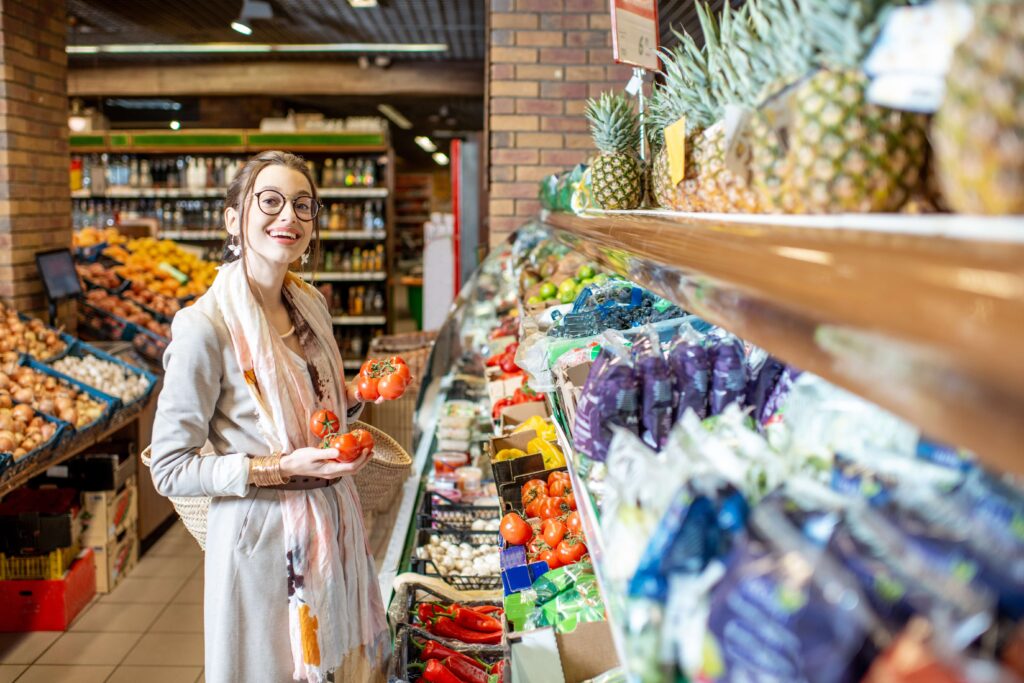 The Refillery helps reduce packaging waste and promotes a minimal–waste lifestyle. When people buy only the needed amount, they waste less. Products come without single–use plastic. People use their own jars or bags–less trash ends up in landfills. This helps nature and supports ideas for a circular economy. Also, stores usually like to buy from local or regional producers. This helps small farms and producers by giving them a fair price and steady demand. That helps small businesses and the local economy.
The store also helps raise awareness. A lot of customers find out for the first time that they can refill things and not waste them. They start to think twice about buying too much, packaging, or using things they don’t need. For families this can teach kids good habits early–share, reuse, and care for the planet. For single people or students, the store gives a chance to buy small amounts without waste. This flexibility helps reduce food spoilage or unused goods.
Small–sized stores mean lower energy, less storage, and less food loss compared to big supermarkets. Less empty shelf stock, less spoilage, and more demand–based supply. Store owners can adjust orders easier for seasonal food or local demand changes. This flexibility reduces waste in the whole chain–from farm to shop to home.
What customers and residents can do
If you live in or visit Edinburgh and care about sustainable shopping, you can join the refill movement. Here are practical steps:
- Bring your own jars, bottles, and cloth bags when you visit a refill store. Instead of throwing away packaging, clean and reuse containers over and over.
- Buy only what you really need. Do not overbuy just because there is a discount or big pack. A smaller amount helps reduce waste and saves money.
- Support local producers by asking store staff about the origin of goods. Prefer local or regional items over imports when possible.
- Spread the idea–tell friends, neighbors, and colleagues about refill shopping, and encourage them to try it once. The more people use refill shops, the stronger demand becomes.
- Learn how to cook, store, and preserve food in small amounts so it doesn’t go bad. This method works best when you buy small amounts of dry goods or fruits and vegetables that are in season.
These little things that a lot of people do can add up to big changes over time. The refill store becomes part of neighborhood life, not only an occasional visit.
Challenges and limitations of refill–style shops
Refill shops face some difficulties. Sometimes product variety is small compared to big supermarkets. Seasonal or fresh products may be few. Local supply can be unstable–producers depend on weather and harvest. That means the store may run out of some items frequently.
Also higher costs may appear. Because the store orders small amounts and supports small producers, some goods cost more. For shoppers with a low budget, big supermarkets may still look more affordable. Time and effort also matter–bringing a container and visiting a refill store instead of a big shop makes shopping slower. Some people prefer quick in–and–out shopping with plastic bags.
Another challenge is habit change. Convenience and packaging are familiar to many people. Changing habits needs time, motivation, and repeated positive experience. Some customers may try to refill once, then return to old habits. For the refill concept to grow, many people must commit and see long–term benefit.
Finally, logistic and storage constraints. Small shops must manage stock carefully–no big warehouse, limited shelf space, and careful hygiene for bulk goods. The store must monitor expiry, cleaning, and refill quality. That adds workload and risk.
Vision for the future of refill and local food shops
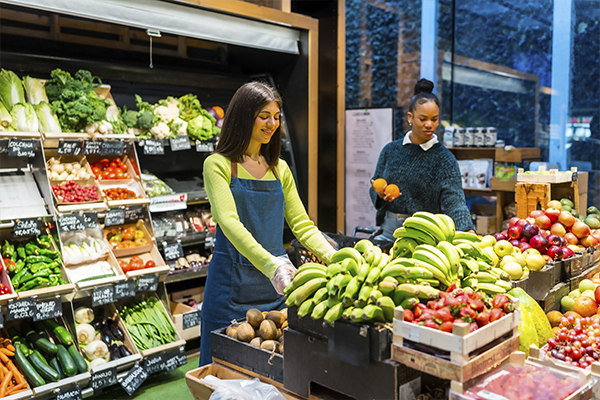
If refill–style shops succeed, they can help the city become greener and more fair. A good future vision includes a stronger link between local farms and city shops. Producers deliver produce or dry goods directly to refill stores or shared hubs. This connection cuts waste, transport, and costs. Also, more community involvement may grow–local gardens, small co–ops, and shared kitchens working with refill shops to offer seasonal produce and meals.
Another direction is education and city support. Schools or community centers can run zero–waste workshops, cooking classes, and reuse practices. Local authorities can support refill shops by small grants, easier regulations, promotion, and space for community markets. If city policy helps, more shops may open, accessibility increases, and refill options become normal for many people.
Digital tools also help–online platforms to order local produce, track refill store stock, and plan collective orders. Residents may join group buys to support producers, share containers, or swap bulk items. Such activities can reduce individual cost and raise the volume of local demand.
Over time, refill shops may influence mainstream consumption: supermarkets may copy packaging–free sections, producers may shift to bulk distribution, and the packaging industry may change. The reset of consumer habits can spread from a small store to a whole city and beyond.
A city where refill shops, local producers, aware customers, and supportive policies connect together can build a resilient food–and–goods system. This system may resist crises, reduce waste, support small businesses, and make communities stronger.
If more people join, small jars and cloth bags can become a symbol of caring for the environment, health, and fairness.