
Funding for a Good Food Nation in Scotland
Scotland gives funding to help become a Good Food Nation–a country with healthy, local, fair, and sustainable food. Funds support farmers, producers, community groups, and schools to build stronger food systems. Money helps cut down on waste, make it easier to get good food, and boost the local economy. This text explains how funds work, who benefits, what projects are supported, and why location and planning matter for a sustainable food future.
What is the Good Food Nation idea?
Good Food Nation is a national plan in Scotland to make food systems better for people, the environment, and the economy. The idea is to support healthy, seasonal, fair, and local food. Government, local councils, and public institutions work together to create policies and plans.
It’s not just about eating healthy. It includes projects for the community, the economy, education, and animal welfare. Schools, hospitals, and care homes need to make nutritious food choices. Anyone can join, even small businesses, social enterprises, and community groups.
The plan also connects to reducing climate impact. Short supply chains, less packaging, and local sourcing help the environment. Education and awareness encourage citizens to choose seasonal and fair food.
Types of funding and support
Scotland offers funds for different actors. Farmers, small producers, social enterprises, community organizations, and schools can apply. Money helps them make food better, get it to more people, and teach them more about it.
Supported actions include:
- Improving production and processing for local, sustainable food.
- Connecting producers with local shops, cafés, and markets to shorten supply chains.
- Supporting education projects, urban gardens, cooking classes, and community meals.
- Encouraging public institutions to buy seasonal, local, and fair food.
Funding also helps small businesses adopt better packaging, storage, and waste management practices. Shorter deliveries are better for the environment and cost less. Flexible support allows projects to adapt to seasonal supply and community needs.
Who benefits and how?
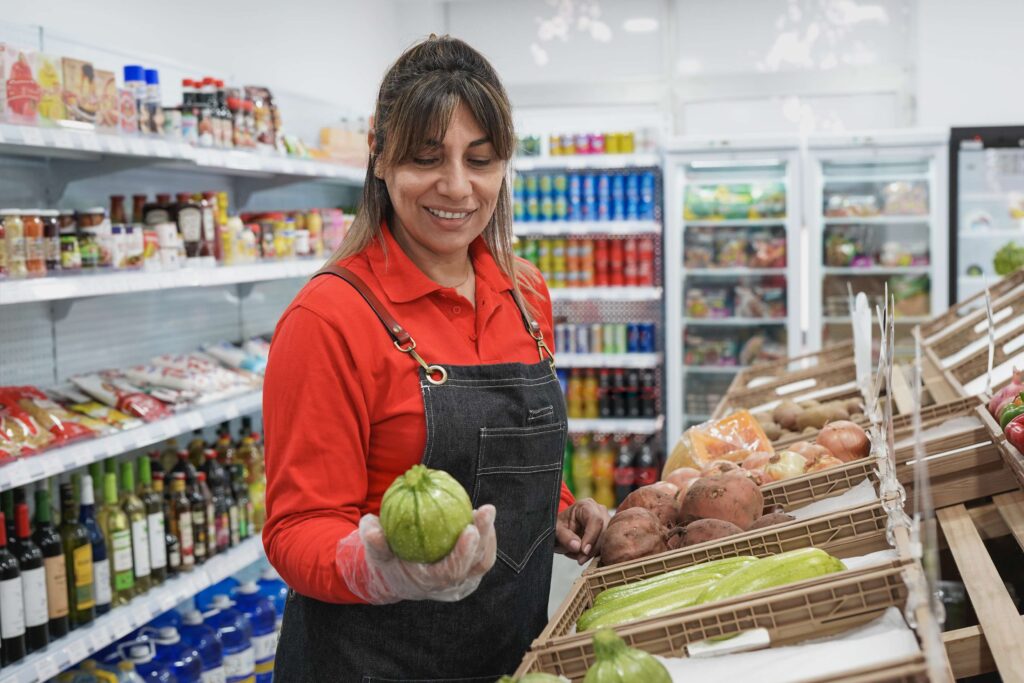
The funding reaches many groups. Farmers and producers gain support for infrastructure, machinery, and marketing. Social enterprises and cafés get help to serve local communities with sustainable options. Schools and community groups receive grants for education and healthy food projects.
Benefits for local food systems include
- Stable demand for small producers and local businesses.
- Reduced food miles and lower carbon emissions.
- More fresh, seasonal, and local food for communities.
- Better awareness and understanding about sustainable food practices.
Funding also helps different groups work together, like producers, local businesses, schools, and the government. The result makes a strong network that can handle problems like climate change or supply chain issues.
Importance of location and accessibility
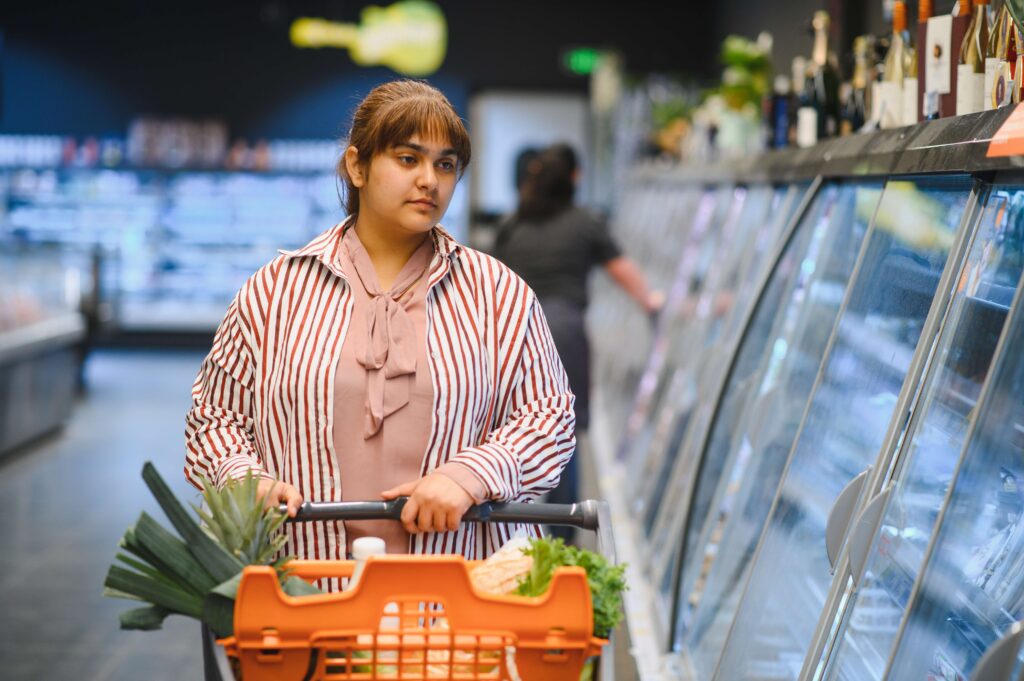
Location matters for the success of funded projects. Farms near towns, cafés in accessible streets, and community hubs in city centers increase participation. Close locations reduce travel time and emissions. Local supply chains are more reliable when delivery distances are short.
Urban community projects and school gardens work better when reachable. Public spaces for markets, shared kitchens, and workshops make food education visible and effective.
Practical steps for a favorable location:
- Choose areas near people–schools, workplaces, and residential zones.
- Connect with nearby producers for short and reliable delivery.
- Make projects easy to reach by walking, cycling, or public transport.
Challenges for funded projects
Even if you have money, projects can still run into problems. Seasonal supply can be difficult to predict. Small producers might not have the technical skills or training they need. It is challenging to get around in rural or remote areas. Storage, equipment, and staff can all be expensive.
Changes in the market can affect income. In some cases, people still prefer cheap, imported food. Planning and talking to each other are necessary for many groups to work together, such as the government, schools, producers, and communities.
It’s important to keep an eye on and evaluate things. Projects that get money must show results and change their plans. To make sure that all areas are fair and sustainable, long–term planning is necessary.
Actions citizens and communities can take
Communities and individuals can support the goals of Good Food Nation:
- Choose local and seasonal food, and support local cafés, shops, and markets.
- Join community food projects–urban gardens, cooking classes, and workshops.
- Encourage schools and institutions to adopt sustainable and fair food procurement.
- Share knowledge about food origin, waste reduction, and sustainable choices with others.
Many people doing small things can help make local food systems strong, fair, and able to handle stress. When people in the community are involved and aware, funding works best.
Vision for the future
With stable funding and active planning, Scotland can become a model Good Food Nation. Food will be healthy, local, and fair. Communities will be stronger. People who make things in the area will have a steady income. People will learn and practice how to eat in a way that is beneficial for the environment.
Over time, these projects reduce waste, lower carbon footprints, and create resilient local food networks. Funding acts as a foundation, but collaboration between government, producers, schools, cafés, and community groups builds lasting change. Scotland can show that good food is more than meals–it is culture, community, and environment.